Water damage is one of the most disruptive and potentially costly issues a homeowner can face. It often begins subtly—hidden behind walls, beneath floors, or above ceilings—before revealing itself through visible and sometimes alarming signs. What makes water damage particularly dangerous is its ability to escalate quickly. A minor leak can evolve into a serious structural and health concern if not addressed promptly.
Recognizing the early warning signs of water damage is essential for minimizing repair costs and protecting your home’s integrity. Immediate action can prevent long-term complications such as mold growth, weakened structures, and extensive material damage. Understanding what to look for allows homeowners to respond quickly and effectively when problems arise. Start your Water Damage Restoration Utah with the professionals.
Persistent Musty Odors
One of the earliest and most telling signs of water damage is a persistent musty odor. This smell is often caused by moisture trapped in materials such as drywall, wood, or carpeting. Even if there are no visible signs of water, a lingering odor can indicate hidden moisture issues.
Musty smells are commonly associated with mold or mildew growth, which thrives in damp environments. These odors tend to be strongest in enclosed or poorly ventilated areas, such as basements, bathrooms, or behind walls.
Ignoring this sign can lead to more severe problems, as the underlying moisture continues to create favorable conditions for further damage and contamination.
Discoloration and Stains on Surfaces
Water damage often manifests as stains or discoloration on walls, ceilings, and floors. These marks may appear as yellowish, brown, or dark patches, indicating that water has penetrated the material.
Stains can vary in size and shape, depending on the source and extent of the leak. Over time, they may grow larger or become more pronounced, signaling ongoing moisture intrusion.
Common areas where stains may appear include:
- Ceilings beneath bathrooms or plumbing fixtures, where leaks may originate.
- Walls near windows or exterior surfaces, where water can seep in from outside.
These visual indicators should not be ignored, as they often point to deeper issues that require immediate attention.
Warped or Buckling Floors
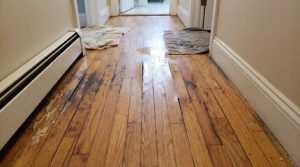
Flooring materials are particularly vulnerable to water damage. When exposed to moisture, they can absorb water and begin to warp, swell, or buckle. This is especially noticeable in materials such as wood, laminate, and certain types of vinyl.
Warped floors may feel uneven underfoot or show visible signs of lifting and separation. In severe cases, the structural integrity of the flooring can be compromised, making it unsafe to walk on.
This type of damage is often a sign of prolonged exposure to moisture, indicating that water has been present for some time and may have affected underlying layers.
Peeling Paint or Wallpaper
Paint and wallpaper are designed to adhere to dry, stable surfaces. When moisture is present, this adhesion is compromised, leading to peeling, bubbling, or cracking.
These changes are often among the first visible signs of water damage, particularly in areas with high humidity or hidden leaks. Peeling paint or wallpaper may initially appear as a cosmetic issue, but it often signals a deeper problem within the wall.
Addressing this sign promptly can prevent further deterioration and help identify the source of the moisture.
Increased Humidity and Condensation
An unexplained increase in indoor humidity levels can be a sign of water damage. Excess moisture in the air may result from leaks, poor ventilation, or hidden water accumulation.
Condensation on windows, mirrors, or other surfaces can also indicate elevated humidity levels. While some condensation is normal, persistent or excessive moisture may point to an underlying issue.
High humidity not only affects comfort but also creates an environment conducive to mold growth and material deterioration.
Mold Growth and Visible Mildew
Mold and mildew are among the most serious consequences of water damage. They can develop quickly in damp environments and spread rapidly if not addressed.
Visible mold may appear as black, green, or white patches on walls, ceilings, or other surfaces. It is often accompanied by a musty odor and may be found in areas with poor ventilation or hidden moisture.
Signs of mold growth include:
- Dark spots on walls or ceilings, indicating active growth.
- Recurring mildew in damp areas, suggesting ongoing moisture issues.
Mold not only damages materials but also poses health risks, making immediate remediation essential.
Unusual Sounds or Water Flow
Sometimes, water damage can be detected through sound rather than sight. Unusual noises such as dripping, running water, or hissing within walls or ceilings may indicate a leak.
These sounds are often more noticeable at night or in quiet environments. Even if no visible damage is present, unusual water-related sounds should be investigated promptly.
Early detection through sound can help prevent more extensive damage by identifying leaks before they worsen.
Sudden Increase in Water Bills
An unexpected spike in water bills can be a sign of hidden leaks within the home. Even small leaks can result in significant water loss over time, leading to higher utility costs.
Monitoring water usage and comparing bills over time can help identify irregularities. If there is a noticeable increase without a corresponding change in usage, it may indicate a problem that requires attention.
Addressing leaks early not only prevents damage but also helps conserve water and reduce expenses.
Cracks in Walls or Foundations
Water damage can affect the structural integrity of a home, leading to cracks in walls, ceilings, or foundations. These cracks may appear gradually and can vary in size and severity.
In some cases, water infiltration can weaken the materials, causing them to shift or settle unevenly. This can result in visible cracks and misalignment of structural elements.
Cracks should be evaluated carefully, as they may indicate significant underlying issues that require professional repair.
Electrical Issues and Safety Concerns
Water and electricity are a dangerous combination. Water damage can affect electrical systems, leading to issues such as flickering lights, malfunctioning outlets, or tripped circuit breakers.
These problems may indicate that moisture has reached wiring or electrical components, creating potential safety hazards. In such cases, immediate action is necessary to prevent accidents or further damage.
Electrical issues should always be handled with caution and addressed by qualified professionals.
The Importance of Immediate Action
Recognizing the signs of water damage is only the first step. Acting quickly is essential to prevent the situation from worsening. Delayed response can lead to more extensive damage, higher repair costs, and increased health risks.
Immediate action may include identifying and stopping the source of water, removing excess moisture, and seeking professional assistance. Early intervention helps contain the damage and simplifies the restoration process.
Conclusion
Water damage can manifest in many ways, from subtle odors and stains to more obvious structural issues. By understanding the top signs that indicate a problem, homeowners can take proactive steps to address damage before it becomes severe.
Persistent odors, discoloration, warped flooring, peeling surfaces, and mold growth are all warning signs that should not be ignored. Additional indicators such as unusual sounds, increased humidity, and rising water bills further highlight the need for immediate attention.
Ultimately, the key to protecting your home lies in early detection and swift response. By staying vigilant and addressing issues promptly, homeowners can minimize damage, reduce costs, and maintain a safe and comfortable living environment.