Cabinet painting is a high-ROI upgrade that can dramatically transform a home. But San Jose cabinet refinishing is a project that requires technical knowledge of surface prep, primers, paints, and drying cycles.
Choosing the right materials and color are also critical. Many homeowners make mistakes that will lead to costly do-overs. The most common mistakes are related to inadequate surface preparation.
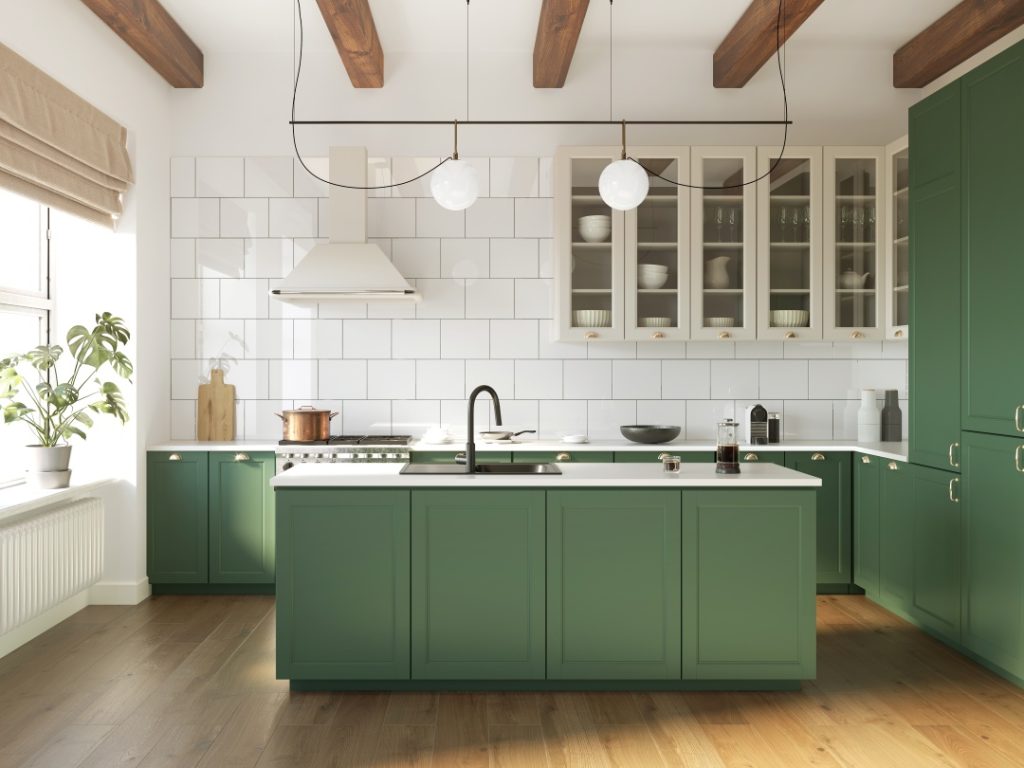
DIY Errors
Painting cabinets is a popular way for homeowners to refresh their kitchen without spending money on a full-scale renovation. However, it’s important for homeowners to understand the science and systems behind cabinet refinishing before attempting this DIY project on their own. Here are 10 common (but avoidable) errors that homeowners often make with their cabinet refinishing projects.
1. Using the Wrong Paint
A common mistake that many homeowners make with their cabinet refinishing is using latex wall paint instead of enamel or urethane-based cabinet paint. While latex wall paint may look fine at first, it won’t stand up to the wear and tear of regular use. It can also peel or bubble if exposed to humidity or temperature changes. Instead, choose a high-quality cabinet paint that is designed to stand up to regular use and cleaning products like grease splatter.
2. Skipping the Sanding Step
Another common mistake that homeowners make is skipping the sanding process prior to applying primer and paint. This can lead to uneven surfaces and drips. It’s essential that you lightly sand your cabinets to prepare them for primer and paint. This helps to create a rough surface that will allow the paint to adhere properly and minimize flaking in the future.
3. Overworking the Paint
One of the biggest mistakes that homeowners can make with their cabinet refinishing is overworking the paint. This can result in a dull or patchy finish that will require more touchups and maintenance in the future. Always apply thin coats of paint and let each coat dry fully before applying the next. If you’re feeling rushed, consider hiring a professional to handle the job for you.
4. Failing to Remove Hardware
Failing to remove the hardware from your cabinets before painting them can result in a lack of cohesion in the finished product. This includes hinges, knobs, and handles. Be sure to keep all of your hardware safe and secure in a separate location so that you can put it back in place once the painting is complete.
Another common mistake that many homeowners make with their cabinet painting is choosing a trendy color. While it can be tempting to give your kitchen a fun pop of color, choosing a trendy shade could make it difficult for you to sell your home in the future. Stick with neutral colors or a natural wood stain for your cabinets to maximize resale value. You can still add pops of color with non-permanent accents, like rugs, curtains, and towels.
Poor Prep
Cabinet refinishing requires an intimate knowledge of surface prep, primers, enamel systems, drying cycles and spray techniques. Hiring a professional who understands the science behind this work is a high-ROI upgrade. If you do your homework, you can also achieve a professional-grade finish with the right DIY kit or partnering with an expert.
One of the biggest mistakes homeowners make with cabinet refinishing is skipping surface preparation. Kitchens are a highly used space, which means cabinets collect grease, grime and other residues that create films on the surfaces. These films sabotage paint adhesion and result in bubbling, peeling or an uneven surface. The best way to avoid this is to clean thoroughly using a degreasing cleaner, then sand the surfaces with medium-grit sandpaper. Finally, apply a quality primer to ensure the paint adheres well and create a smooth, paint-friendly surface.
Another common mistake is rushing the refinishing process. The paint or stain must dry completely between coats, so be sure to take your time and protect nearby surfaces with drop cloths and painter’s tape. It is also important to keep the cabinets in a shaded area with minimal sunlight, as direct sun can cause the color to fade faster than expected.
Some homeowners also choose the wrong style of doors for their cabinets, making the new look clash with their room’s existing design and colors. If you’re going for a full overhaul, consider consulting with interior designers or home decorators before committing to a specific style of door.
If you’re on a budget, it might be cheaper to paint the existing doors instead of refacing them. However, painting is a labor-intensive process and the results aren’t always as smooth or durable as you might expect. If you’re tempted to save money by painting the existing doors, be sure to use a low-VOC paint for maximum durability.
Sometimes, the best option is to strip the cabinets back down to bare wood and start from scratch. This option is labor-intensive and takes a lot of elbow grease, but it produces the best, most consistent finish. If you’re up for this, consider hiring a pro who uses spray painting tools, which eliminate brush strokes and give the ultra-smooth finish you see in showrooms.
Wrong Materials
A refinishing job without the right materials is sure to fall short. That goes for the cabinet paint as well as any new veneer or laminate you might use to refresh your cabinets. The wrong choice will lead to a less-than-desirable finish that could quickly discolor, warp or even chip. The best way to avoid this mistake is to choose a reputable cabinet refinishing company that only uses the highest-quality products and adheres to strict processes.
One of the most common mistakes that DIYers make when refinishing their own cabinets is using the wrong cabinet paint or stain color. They believe that painting will hide all blemishes and damage, but it’s simply not true. Painting products often contain oils and petroleum distillates that soften original finishes, which eventually leave a sticky residue that attracts dust, dirt and other debris. This build up can also cause the paint to bubble and peel.
Many people also make the mistake of applying too thick a coat of stain. This creates a patchy appearance and leaves visible brush marks. It’s also important to remember that oak and other woods show all of their grain patterns through the finished coat. This is unattractive and can be a major turnoff for home buyers.
Lastly, homeowners often choose the wrong style of cabinet door for their kitchen. This can easily clash with existing cabinet hardware and the overall room design. It’s a simple mistake to make, but it can have major consequences that impact your project’s timeline and budget.
Another common mistake is attempting to refinish cabinets with the incorrect tools. It’s important to have a proper sanding system in place to ensure a smooth finish. Many amateurs attempt to skip this step, which leads to sloppy finishes that will need to be reworked. Professional refinishers have access to high-quality sanding systems and know how to use them correctly to achieve the best results.
Cabinet refinishing is a time-consuming, labor-intensive process that requires the help of a trained professional. To get the high-quality, professional-grade results that you expect from a refinishing project, choose a reputable company that only uses the finest materials and adheres to strict processes.
Hiring Unqualified Contractors
Cabinet painting is a special project that requires specific tools, equipment, and drying cycles. Professional contractors who specialize in cabinet refinishing and painting will be familiar with these processes. When choosing a contractor, look for someone who offers a warranty on their work. A warranty will protect you in case something goes wrong with your cabinets down the road.
It’s also important to ask a contractor about their process. For example, how do they clean and prep the cabinets before applying the first coat? A quality contractor will clean and sand the surfaces to make sure they are paint-friendly. They will then use a high-quality primer that’s suitable for your cabinet material. This will help the topcoat adhere properly, ensuring a long-lasting finish.
If a contractor skips steps or doesn’t follow proper procedures, you may end up with poor-quality results. For instance, if a contractor doesn’t remove your hinges before painting them, you’ll likely end up with visible brush marks and a lack of smoothness.
You should also ask a contractor what types of products they use. A quality professional will be able to explain the benefits of each product they offer. They should also be able to tell you what type of finish will be applied, such as oil-based lacquer, water-based lacquer, or single-component polyurethane.
Another important question to ask a contractor is whether or not they are bonded and insured. If a contractor is not bonded and insured, you could be held liable in the event that a worker is injured on your property while working on your cabinet refinishing project.
Taking the time to choose the right cabinet refinishing and painting contractor will ensure that your kitchen looks beautiful for years to come.